In Part 1, we introduced the concept of Korean cytokines mesotherapy for hair regrowth and explained why cytokines are important in modern hair loss care.
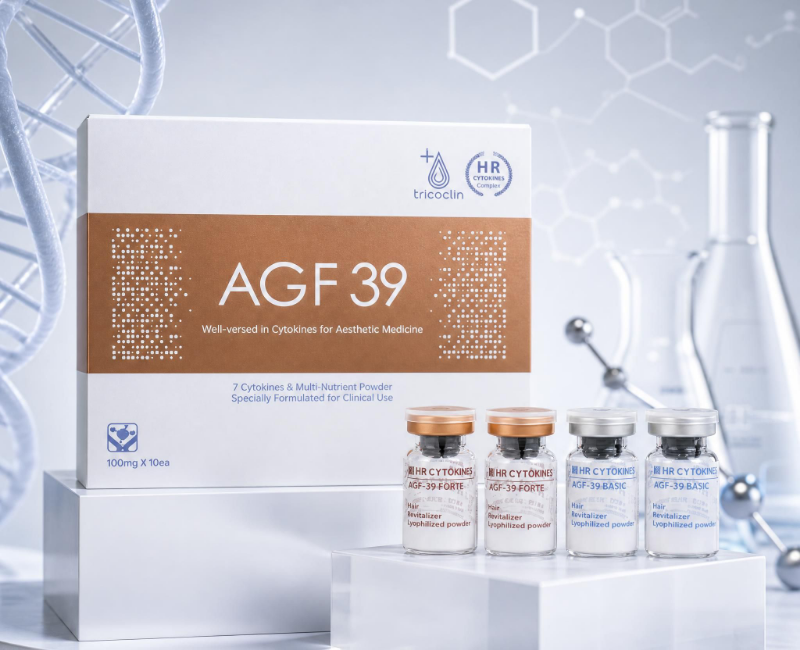
In this second article, we will look more closely at AGF39™, AesMed’s Korean cytokines-based hair solution, and how its ingredients are designed to support the scalp and hair follicle environment. AGF39 solution
Hair Regrowth Starts with the Follicle Environment
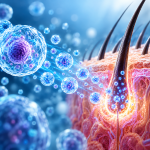
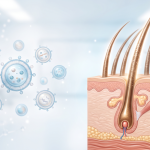
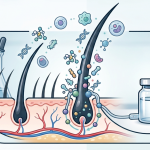
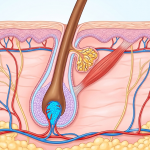
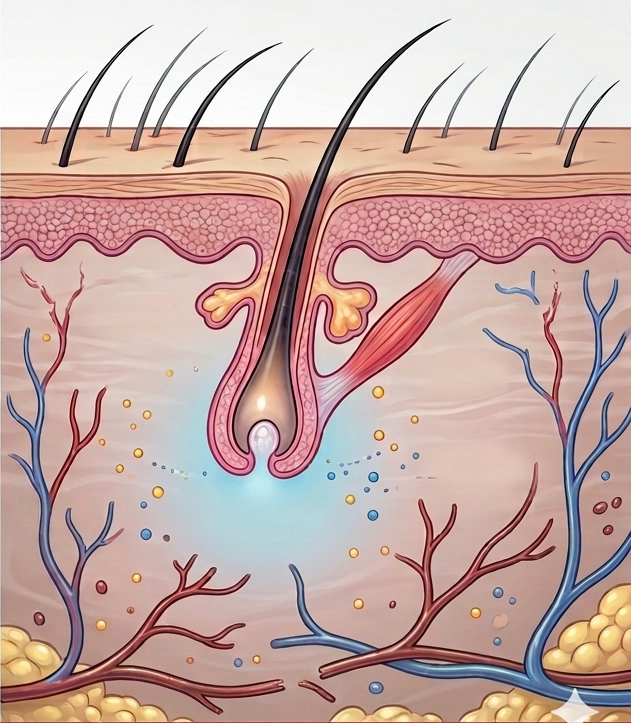
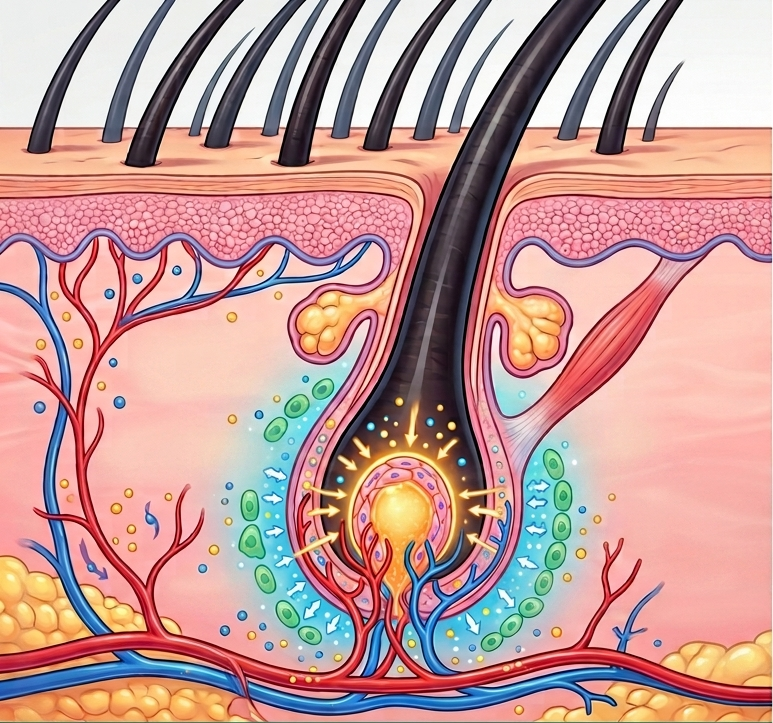
Healthy hair growth depends on more than the hair shaft itself. The real activity happens below the surface of the scalp, where the hair follicle interacts with surrounding cells, blood vessels, nutrients, and signaling molecules.
The dermal papilla plays a particularly important role. It is located at the base of the hair follicle and helps regulate hair growth signals. When the dermal papilla environment becomes weakened or disrupted, the hair growth cycle may become shorter, and hair thinning may progress.
This is why AGF39™ focuses on supporting the follicle environment, including:
- Dermal papilla activity
- Keratinocyte function
- Root sheath support
- Scalp nutrition
- Hair cycle regulation
- Oxidative stress protection
- Anagen phase maintenance
The 7 Key Cytokines in AGF39™
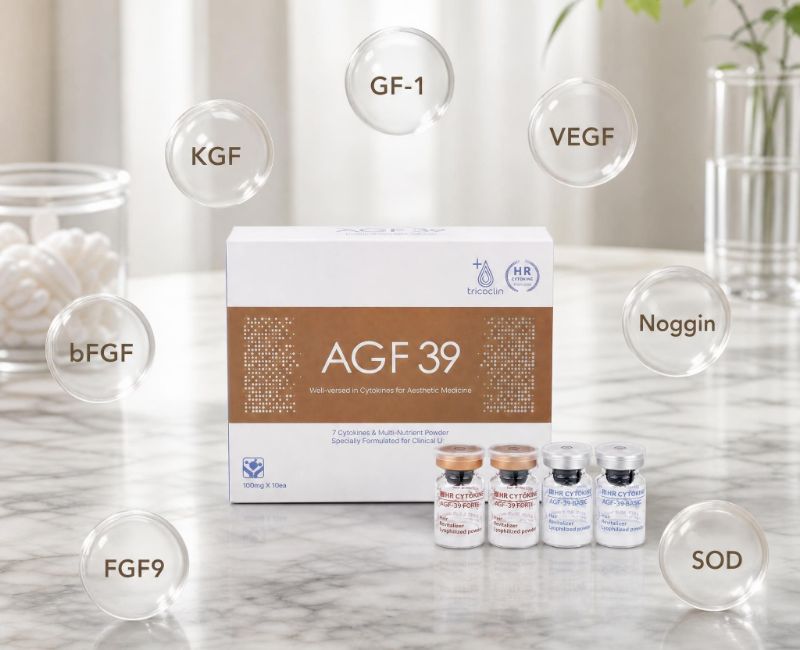
AGF39™ contains seven recombinant cytokine proteins selected for their relationship with hair growth and scalp condition.
1. KGF
KGF, also known as Keratinocyte Growth Factor, is associated with keratinocyte growth and differentiation. Keratinocytes are important cells involved in the structure and function of the hair follicle and surrounding skin.
In hair regrowth care, KGF is meaningful because it supports the cellular environment related to hair formation and follicle survival.
2. IGF-1
IGF-1, or Insulin-like Growth Factor-1, is related to cell proliferation, angiogenesis, and anagen phase maintenance.
The anagen phase is the active growth phase of the hair cycle. Supporting this phase is one of the key goals of hair regrowth programs, especially for people experiencing thinning hair or weakened follicle activity.
3. VEGF
VEGF, or Vascular Endothelial Growth Factor, is associated with blood vessel formation and maintenance.
Hair follicles require a healthy supply of oxygen and nutrients. By supporting the vascular environment around the follicle, VEGF plays an important role in scalp and follicle care.
4. bFGF
bFGF, or basic Fibroblast Growth Factor, is related to dermal papilla activation, collagen and elastin support, and hair growth stimulation.
Because the dermal papilla helps regulate the hair cycle, bFGF is an important component in a mechanism-based hair regrowth strategy.
5. Noggin
Noggin is known as a BMP antagonist. In the context of hair biology, it is associated with Wnt signal activation, anagen induction, and new hair follicle formation.
The Wnt/β-catenin pathway is one of the important signaling pathways related to follicle activity and hair growth. Supporting this pathway is a key concept in regenerative hair research.
6. FGF9
FGF9 is associated with dermal Wnt activation and follicle-related regenerative signaling.
In AGF39™, FGF9 is included as part of the formulation’s focus on helping regulate the hair follicle environment and supporting growth-related signals.
7. SOD
SOD, or Superoxide Dismutase, is associated with protection from oxidative stress.
Oxidative stress can negatively affect scalp and follicle health. By supporting antioxidant defense, SOD helps protect the follicle environment and may contribute to healthier hair growth conditions.
More Than Cytokines: Multi-Nutrient Support
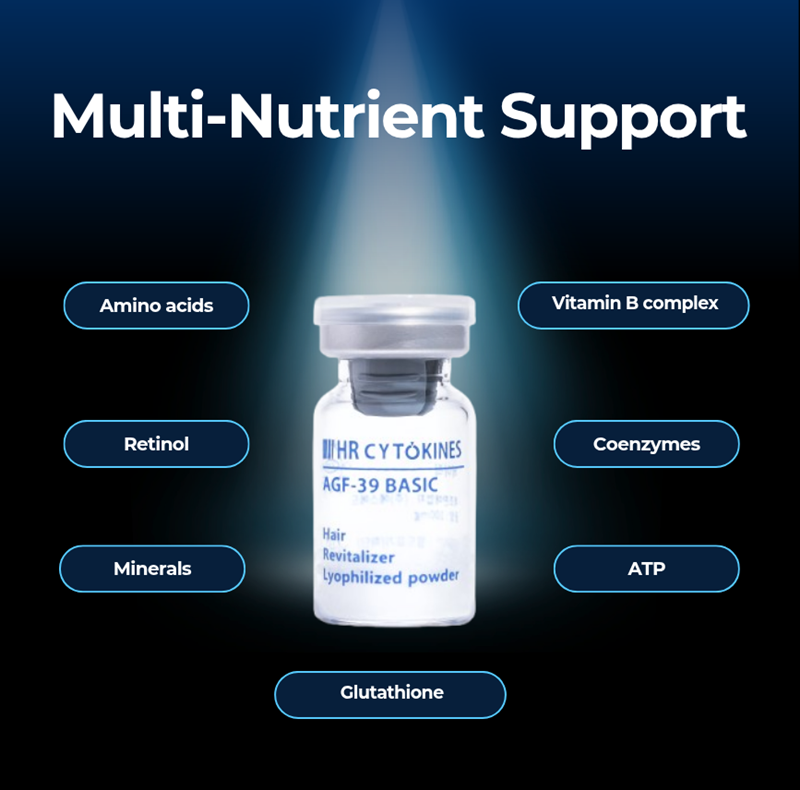
AGF39™ is not only composed of cytokines. It also includes scalp-focused nutrients such as:
- Vitamin B complex
- Amino acids
- Minerals
- ATP
- Coenzymes
- Retinol
- Glutathione
These ingredients help support the scalp environment from multiple angles. Amino acids are especially important because they are building blocks related to hair keratin. Minerals and vitamins also contribute to cell metabolism, scalp balance, and overall follicle support.
Why Ingredient Transparency Matters
In the regenerative hair care market, many products are described as containing growth factors or stem cell-derived ingredients. However, the exact type and amount of active ingredients may not always be clear.
AGF39™ is positioned differently. It is based on identifiable recombinant cytokine proteins and clearly defined supporting nutrients.
For clinics, this transparency is important because it allows professionals to understand what they are using, explain the treatment concept to patients, and build a more consistent treatment protocol.

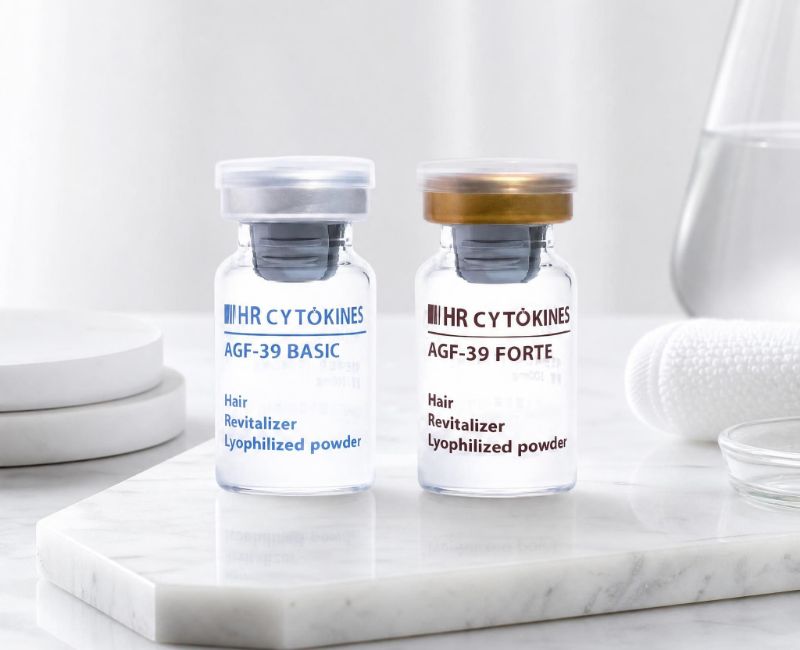
AGF39™ Forte and Basic
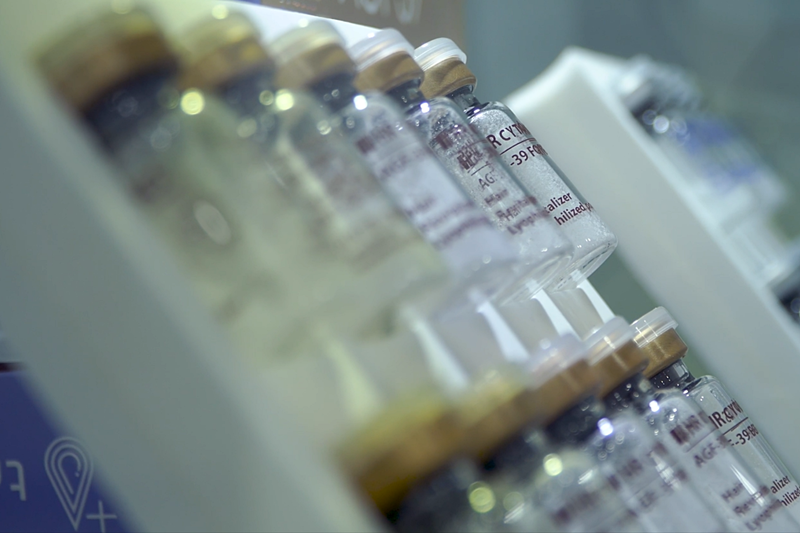
AGF39™ is available in different versions, including Forte and Basic.
AGF39™ Forte is positioned as a higher-concentration option, while AGF39™ Basic is used as a standard-concentration option. This allows clinics to design treatment programs according to the patient’s scalp condition, treatment response, and clinical plan.
A common program may begin with more intensive treatment and then adjust the interval depending on improvement and maintenance needs.
Final Thoughts
AGF39™ supports hair regrowth care by focusing on the scalp and follicle environment. Its formulation combines selected cytokines, antioxidant support, and multi-nutrients to help address the biological factors related to hair growth.
This makes AGF39™ more than a simple scalp nutrient solution. It is a Korean cytokines-based hair solution designed around the mechanisms of alopecia care, follicle signaling, and anagen phase support.
In the next article, we will explore how CytoMesopecia is applied in clinical settings, from diagnosis to treatment protocol and follow-up evaluation.