In the first two articles of this series, we introduced Korean cytokines mesotherapy for hair regrowth and explored how AGF39™ supports the hair follicle environment.
In this final article, we will focus on the clinical side of the treatment: diagnosis, patient evaluation, delivery methods, treatment intervals, and follow-up assessment.
For professional hair regrowth programs, the product itself is only one part of the process. A successful clinical approach also requires accurate diagnosis, standardized application, and consistent evaluation.
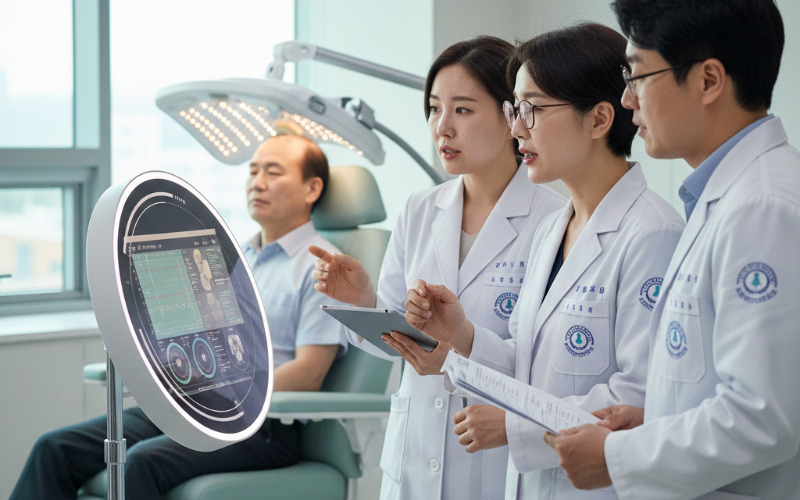
Why Diagnosis Comes First
Hair loss can have many different causes. Some patients may have androgenetic alopecia, while others may have alopecia areata, cicatricial alopecia, thyroid-related hair loss, nutritional imbalance, inflammation, or other scalp conditions.
This is why AesMed’s CytoMesopecia protocol emphasizes diagnostic evaluation before treatment.
A professional evaluation may include:
- Assessment of hair loss progression
- Scalp condition analysis
- Review of recent hair loss treatments or procedures
- Microscopic analysis of hair count and thickness
- Observation of sebum balance and scalp moisture
- Check for inflammation, erythema, or bacterial signs
- AI-based scalp analysis when available
- Blood tests for DHT or thyroid hormones if necessary
This diagnostic step helps clinics understand whether the patient is suitable for treatment and how the treatment plan should be designed.
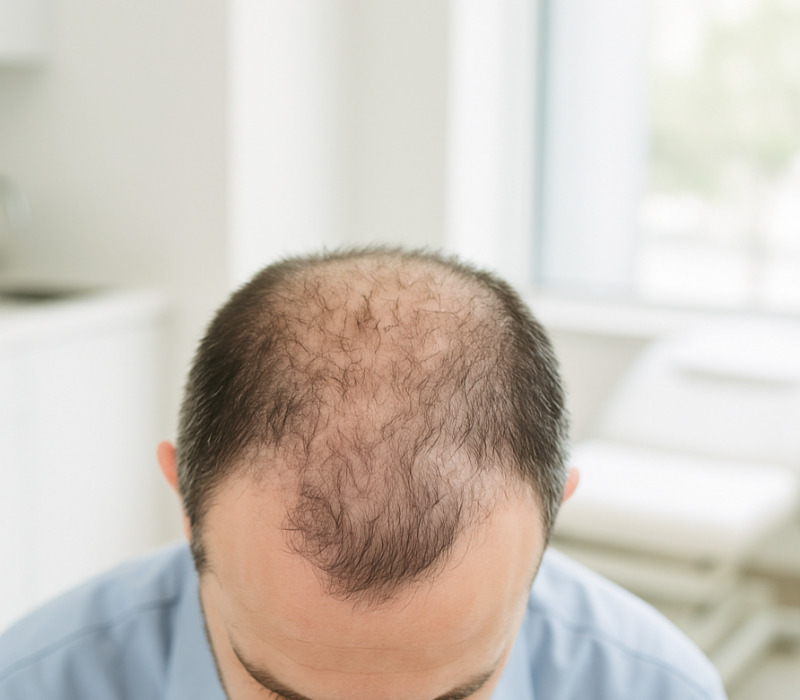
Differentiating AGA and AA
One important point in the CytoMesopecia protocol is the distinction between androgenetic alopecia and alopecia areata.
AGF39™ was developed based on mechanisms related to androgenetic alopecia. While its growth factors and nutrients may support hair regrowth during recovery phases, it is not specifically formulated to target the underlying autoimmune mechanisms of alopecia areata.
For this reason, accurate diagnosis is essential.
Patients with severe or complex alopecia areata patterns, such as alopecia totalis, alopecia universalis, ophiasis type, reticular type, or cases that worsen during treatment, should be referred for advanced medical care.
This careful approach helps protect patients and supports responsible clinical use.
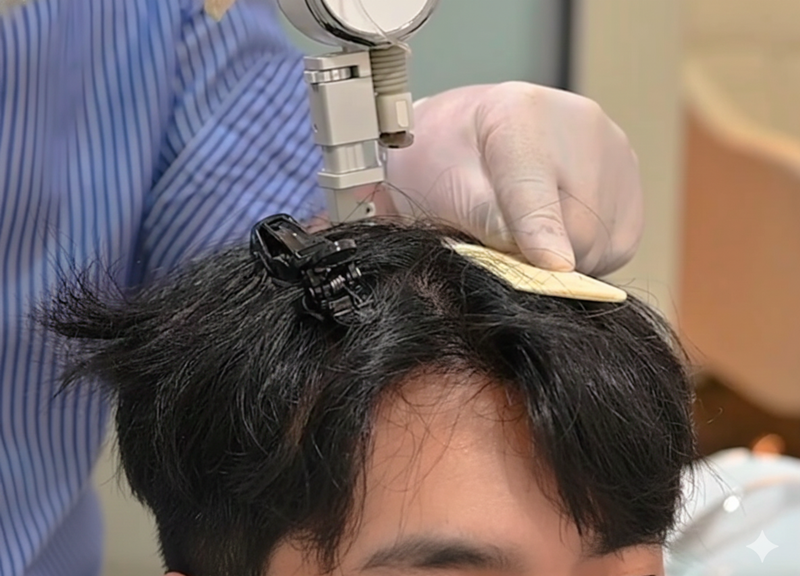
Delivery Methods for AGF39™
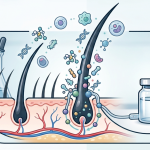
AGF39™ can be applied through several professional delivery methods.
1. MTS
MTS, or Microneedle Therapy System, is one of the common methods used with AGF39™.
In this method, AGF39™ is applied to the scalp with microneedling. AesMed’s material describes the use of a 0.5 mm needle depth for MTS application.
This method supports ingredient delivery while also providing controlled scalp stimulation.
2. Mesogun or Manual Injection
AGF39™ can also be delivered using an injector or manual injection method.
The protocol describes injection at approximately 1.2 mm to 1.5 mm needle depth. For mesogun use, the suggested amount is approximately 0.02 to 0.03 cc per point at 1 cm intervals.
This method requires professional education and careful technique because operator-dependent variability can affect treatment consistency.
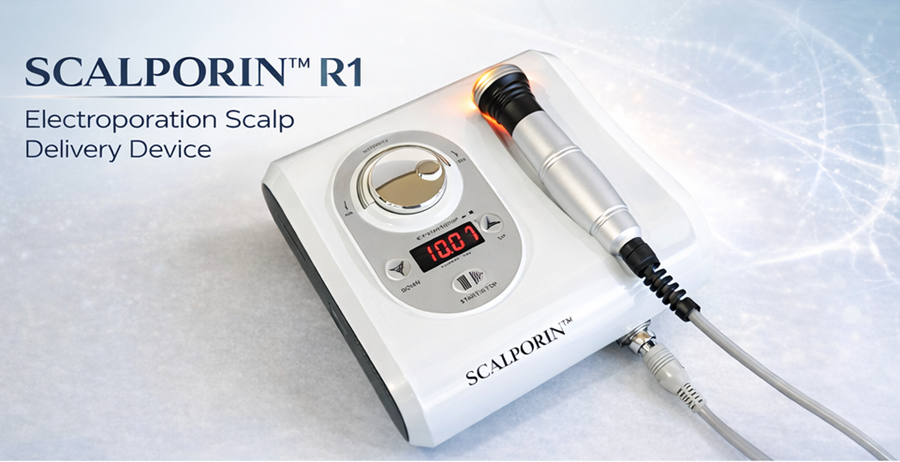
3. Electroporation
Electroporation may be used as an additional method to support deeper infiltration of AGF39™ into the scalp.
This can be incorporated when available, especially as part of a clinic’s device-assisted scalp care program.
4. Post-Procedure Support
After the main procedure, clinics may use soothing and supportive treatments such as LED irradiation, infrared radiation, or topical scalp care products.
AesMed also recommends post-clinic care with anti-hair loss shampoo and tonic as part of a broader scalp management program.
Suggested Treatment Program
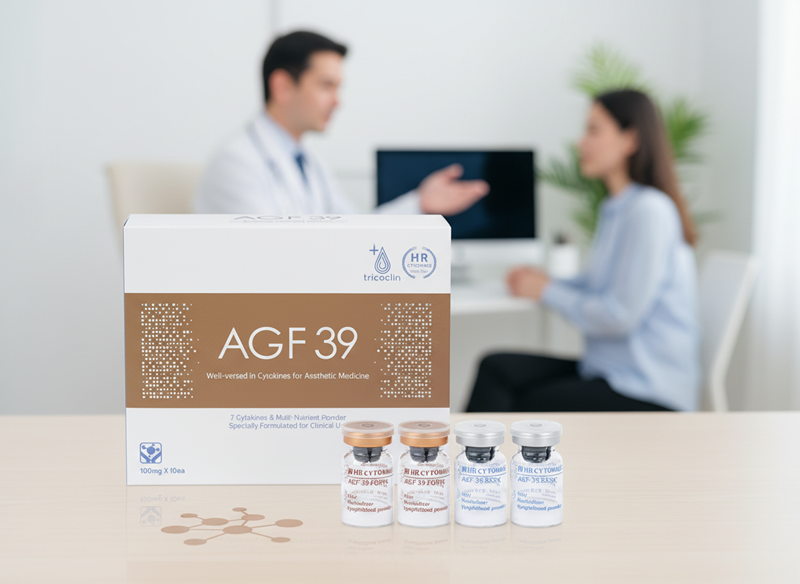
AesMed’s recommended clinical program may begin with intensive treatment using AGF39™ Forte.
A typical structure may include:
- Weekly intensive treatment during the early phase
- Continued weekly treatment if the response is weak
- Two-week intervals if the response is good after initial sessions
- Three- to four-week intervals for maintenance depending on progress
This flexible structure allows clinics to adjust the program according to patient response.

Clinical Evaluation and Follow-Up
Evaluation is essential in hair regrowth programs because hair growth changes are gradual.
For short-term clinical observation, improvement may be evaluated from the second week, but visible hair count increase may be difficult to assess in a very short period. Therefore, scalp images, microscope images, and statistical analysis can be useful.
For longer-term evaluation, hair count can be assessed around the three-month point and followed again at six and nine months. This longer observation period is helpful because hair growth cycles and shedding phases can influence results.
AesMed’s protocol suggests that a nine-month clinical trial is ideal for accurate comparison, especially when evaluating product performance over time.
Why Protocol-Based Treatment Matters
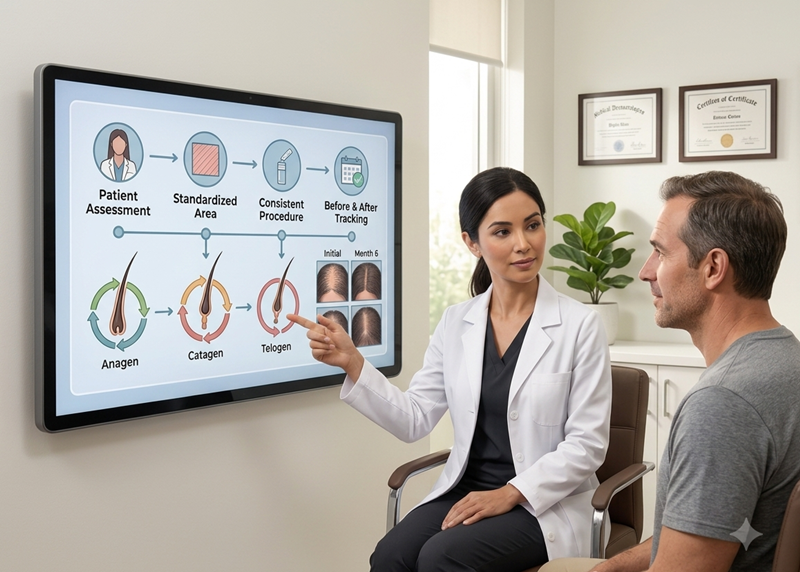
For clinics, a protocol-based approach helps create consistency.
It allows professionals to:
- Evaluate patients more accurately
- Standardize treatment zones
- Use consistent delivery methods
- Track before-and-after changes
- Adjust intervals based on response
- Communicate treatment progress clearly
This is especially important in hair loss care because patients often expect visible results quickly. A structured protocol helps clinics explain that hair regrowth is a biological process that requires time, consistency, and proper follow-up.
Final Thoughts
CytoMesopecia by AesMed represents a clinical approach to Korean cytokines mesotherapy for hair regrowth.
It combines AGF39™, professional diagnosis, scalp delivery techniques, and follow-up evaluation into one structured program. By focusing on cytokine signaling, follicle support, and anagen phase maintenance, it offers a science-based direction for clinics seeking non-surgical hair regrowth solutions.
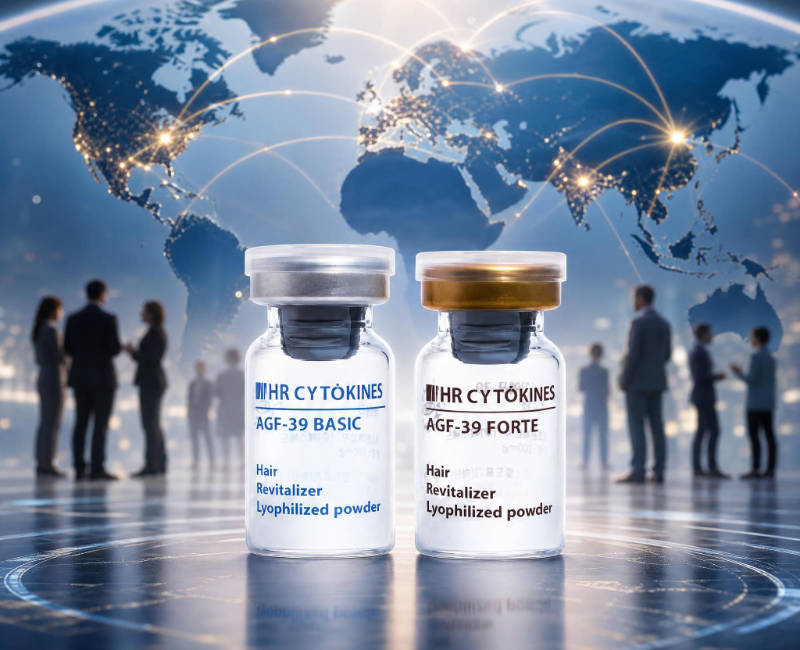
As interest in regenerative hair care continues to grow worldwide, Korean cytokines mesotherapy may become an important category in the future of professional alopecia treatment.
For clinics, distributors, and hair care professionals, AGF39™ offers a differentiated Korean solution built around mechanism-based formulation, clinical usability, and scalp-focused hair regrowth support.