Blog Series Part 1
Korean Cytokines Mesotherapy for Hair Regrowth – Part 1
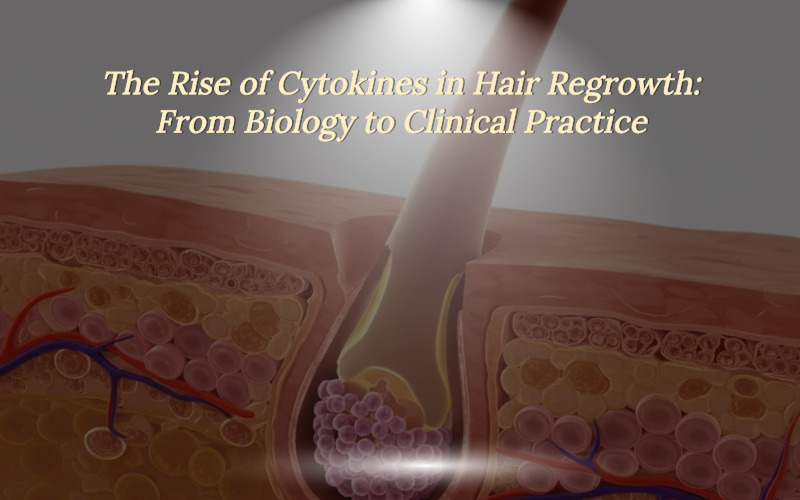
The Rise of Cytokines in Hair Regrowth: From Biology to Clinical Practice
Over the past decade, the field of hair loss treatment has undergone a significant transformation. What was once dominated by drug-centered approaches and surgical intervention is now evolving toward biologically driven, regenerative strategies. At the center of this shift is a growing scientific focus on cytokines – key cellular messengers that play a critical role in hair follicle regulation and regeneration. This first article in our series explores why cytokines have emerged as a foundational element in modern hair regrowth strategies, and how this biological understanding is reshaping clinical practice
Rethinking Conventional Hair Loss Treatment
Traditional alopecia treatments have largely focused on suppressing hormonal pathways or mechanically relocating hair follicles. While these approaches have proven effective for certain patient groups, they often do not directly address the biological signaling environment that governs follicular health.
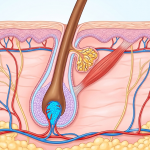
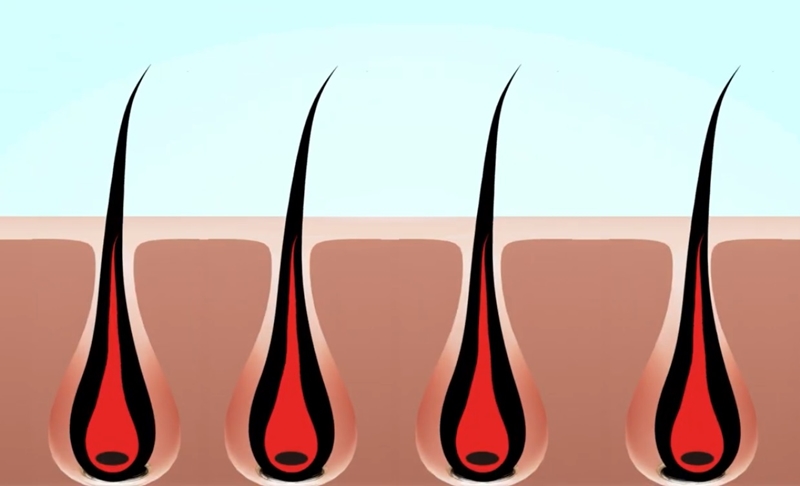
Hair follicles are highly dynamic mini-organs. Their growth, regression, and resting phases are tightly regulated by cellular communication within the scalp. When this communication becomes imbalanced – due to inflammation, oxidative stress, or aging – hair growth can gradually decline.
This realization has led clinicians and researchers to seek therapies that restore biological balance rather than simply inhibit symptoms.
What Are Cytokines and Why Do They Matter?
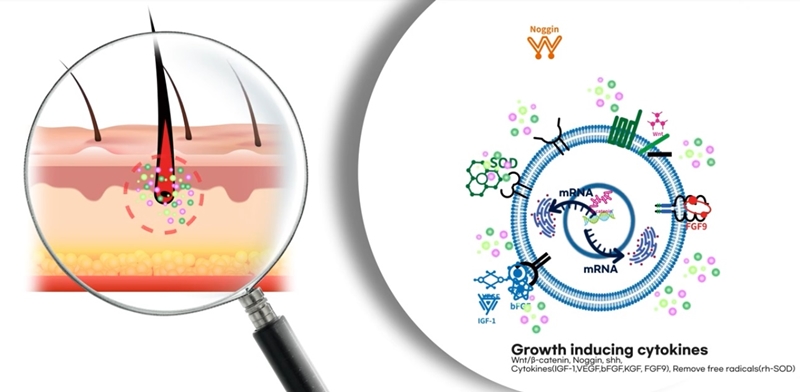
Cytokines are low-molecular-weight signaling proteins that enable cells to communicate with one another. They regulate a wide range of physiological processes, including:
- Cell growth and differentiation
- Immune modulation and inflammation control
- Tissue repair and regeneration
- Angiogenesis and microcirculation
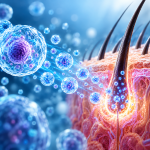
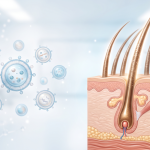
In the context of hair biology, cytokines help regulate the hair growth cycle, influence dermal papilla activity, and maintain the follicular microenvironment essential for sustained hair production.
Importantly, cytokines do not function in isolation. Their effects depend on balance, timing, and concentration – making them powerful tools when applied with precision, but ineffective or even counterproductive when used indiscriminately.
Cytokines and the Hair Growth Cycle
The hair growth cycle consists of three phases:
Anagen (growth), Catagen (regression), and Telogen (rest).
Cytokine signaling plays a decisive role in:
- Initiating and maintaining the anagen phase
- Regulating programmed regression during catagen
- Preparing follicles for re-entry into growth
Disruption in cytokine signaling has been linked to:
- Shortened anagen duration
- Follicular miniaturization
- Chronic micro-inflammation
- Progressive hair thinning
From this perspective, alopecia can be understood not merely as hair loss, but as a disorder of follicular signaling balance.
From Suppression to Biological Modulation
The increasing interest in cytokines reflects a broader paradigm shift in hair regrowth therapy – from suppression-based treatment to biological modulation and regeneration.
Rather than blocking a single pathway, cytokine-based strategies aim to:
- Restore a healthy follicular microenvironment
- Support endogenous regenerative processes
- Improve follicular responsiveness to combination therapies
This approach aligns closely with advances in regenerative medicine, where treatment success is defined not by immediate stimulation, but by long-term tissue normalization and function.
The Emergence of Cytokines Mesotherapy
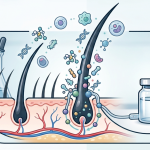
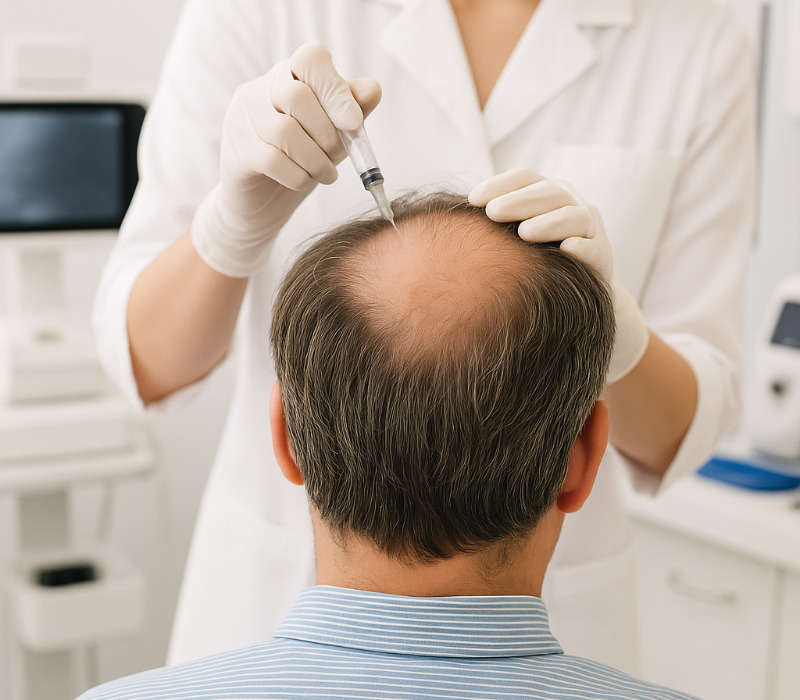
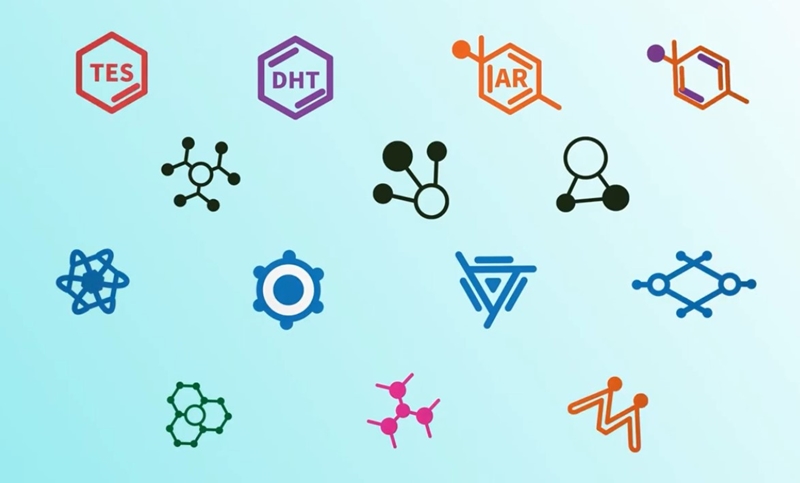
Cytokines mesotherapy represents a practical clinical application of this biological understanding. By delivering cytokines directly into the scalp dermis – where hair follicles reside – clinicians can influence local signaling environments while minimizing systemic exposure.
When properly designed, cytokines mesotherapy allows:
- Targeted modulation of follicular signaling
- Integration with existing treatment protocols
- Scalable use in clinical practice
This method has gained increasing attention in professional hair-loss treatment settings, particularly in regions with high clinical experience and advanced regenerative infrastructure.
Looking Ahead
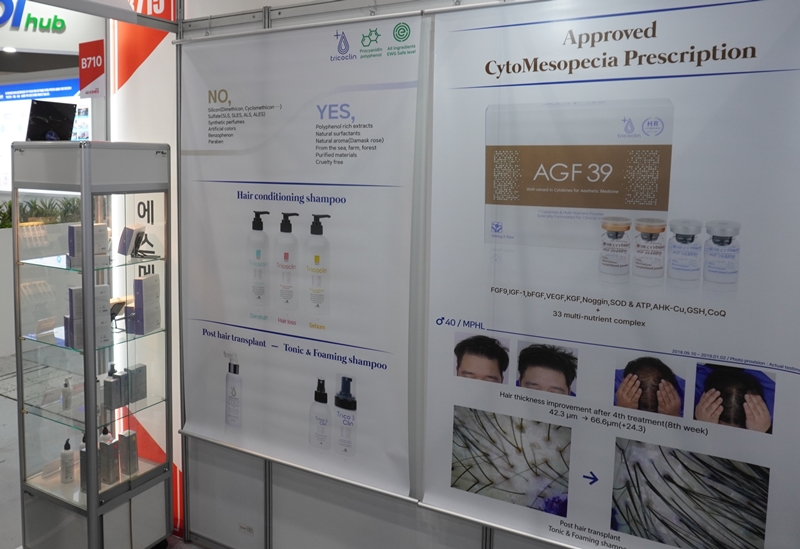
As the science of hair regrowth continues to evolve, cytokines are becoming central to discussions about next-generation alopecia care. Their role in cellular communication and tissue regeneration positions them as a powerful foundation for future therapeutic frameworks.
In the next article, we will explore why Korea has emerged as a global leader in cytokines mesotherapy for hair regrowth, and how clinical experience and innovation have shaped this field.
About AesMed
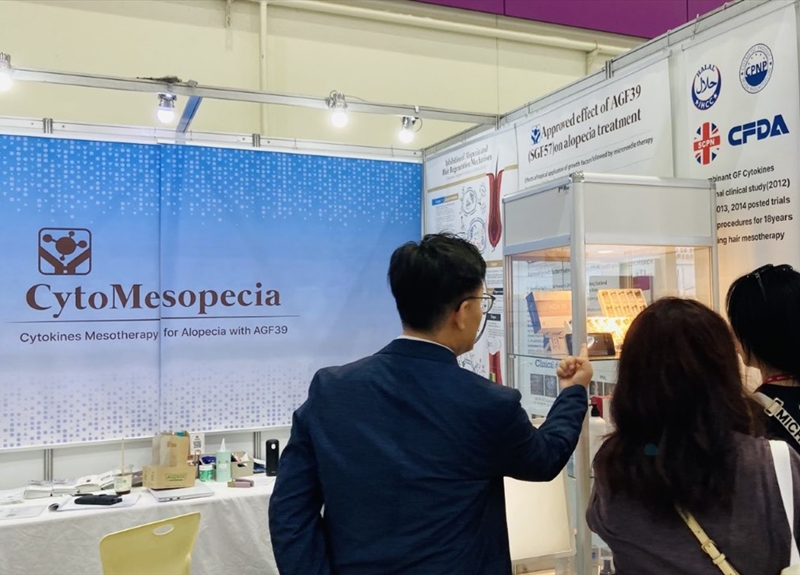
AesMed is dedicated to advancing science-based solutions for hair loss treatment, focusing on regenerative and biologically driven approaches. Through continuous research, clinical collaboration, and global engagement, AesMed supports medical professionals and industry partners in shaping the future of alopecia care.
“Some of the images were created using Miricanvas and Gemini.”
Why Korea Leads Cytokines Mesotherapy for Hair Regrowth- part 2
https://aesmed.blog/why-korea-leads-cytokines-mesotherapy-for-hair-regrowth/
CytoMesopecia – Cytokines Mesotherapy for Alopecia- part 3
https://aesmed.blog/cytomesopecia-cytokines-mesotherapy-for-alopecia/
AGF39: Clinical Experience, Real-World Data, and Global Adoption- part 4
https://aesmed.blog/agf39-clinical-experience-real-world-data-and-global-adoption-part-4/